Early Life and Artistic Path
Schubert Avakian’s early path into the world of art was not defined by speed, convenience, or the desire for quick recognition, but rather by a slow, intentional, and deeply thoughtful process of discovery, discipline, and inner development. From the very beginning, he demonstrated an uncommon sensitivity toward culture, form, symbolism, and meaning—a sensitivity that gradually guided him toward a creative direction rooted in reflection, awareness, and authenticity rather than imitation or superficial trends. His formative years were shaped by continuous observation, extended periods of learning, and an ongoing internal and external dialogue with both traditional artistic heritage and contemporary creative movements. Instead of rushing to produce visible or marketable results, Avakian consciously chose to invest his time and energy in understanding the fundamental principles of artistic expression, firmly believing that genuine creativity can only emerge from a strong foundation of knowledge, patience, discipline, and lived experience. This approach allowed him to absorb diverse perspectives, study different visual and conceptual languages, and experiment across various forms without losing his sense of purpose or identity. Through this process, he developed a strong internal framework—both intellectual and emotional—that later became the backbone of his artistic practice. Over time, these early experiences evolved into a refined awareness of how art functions not merely as a visual medium, but as a powerful vehicle for storytelling, memory preservation, emotional resonance, and cultural identity. These formative years ultimately laid the groundwork for an artist who consistently values depth over exposure, substance over noise, intentionality over haste, and long-term continuity over momentary recognition or fleeting success.
Artistic Vision
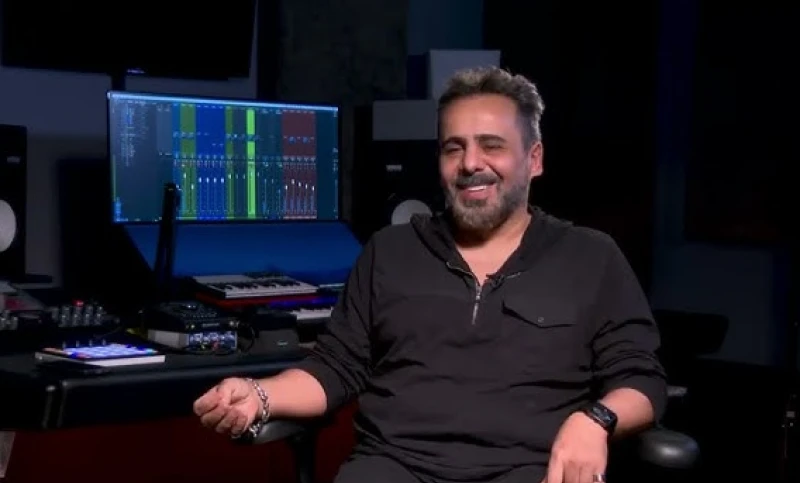
Schubert Avakian’s artistic style and creative philosophy did not emerge suddenly or by chance; rather, they were the result of years of conscious refinement, self-questioning, and intellectual discipline. As his practice evolved, he became increasingly aware that style is not something that can be borrowed or manufactured, but something that forms naturally when vision, experience, and intention align over time. Avakian approached each phase of his development as an opportunity to deepen his understanding of structure, balance, and emotional resonance, allowing his work to mature organically instead of being forced into predefined categories. He consistently explored the relationship between form and meaning, recognizing that every creative decision carries psychological and cultural weight. This sensitivity pushed him to treat his work as a living system rather than a static product, where layers of thought, emotion, and context coexist. His philosophy centers on the idea that art should not seek immediate validation, but long-term relevance, encouraging the viewer to engage slowly and thoughtfully. Through continuous experimentation and reflection, Avakian cultivated a visual and conceptual language that remains flexible yet unmistakably his own, capable of evolving without losing its core identity. This deliberate balance between consistency and growth defines his creative character and reinforces his belief that true artistic value lies in sincerity, depth, and sustained inquiry rather than surface-level impact.

Influence and Legacy
Beyond his personal practice, Schubert Avakian’s presence within the broader artistic landscape reflects a deep sense of responsibility toward culture, dialogue, and future generations of creators. He understands influence not as dominance or visibility, but as the quiet ability to shape perspectives and inspire thoughtful engagement. Through his work and interactions, he has contributed to an environment where artistic integrity is prioritized over trend-driven production, and where meaningful creation is viewed as a long-term commitment rather than a short-term achievement. Avakian’s approach encourages emerging artists to slow down, question their intentions, and build their work on solid conceptual foundations. His impact is evident in the way his ideas resonate beyond individual pieces, extending into conversations about identity, memory, and the role of art in preserving human experience. Rather than positioning himself as an authority, he functions as a bridge between tradition and innovation, demonstrating that contemporary expression can remain rooted while still moving forward. Over time, this perspective has shaped his legacy as an artist whose contributions are measured not only by output, but by the depth of thought he brings into the creative sphere, ensuring that his influence continues to unfold gradually and meaningfully across time.